Halal Food Guide: Seattle
Finding halal food in a new city is not always easy. This guide shows where to eat, where to shop, and how to read a food label. It was made for Shoreline students.
Places To Eat
Halal restaurants near campus, in the U-District and downtown. All are a short bus ride away.
Where To Shop
International markets that sell halal meat, plus what the big American stores really carry.
How To Be Sure
The signs, labels and certificates that show a product is really halal.
Look For A Halal Sign
Many restaurants and butcher shops put a halal certificate or sign in the window or near the counter.
Check Certified Labels
On packaged food, look for a certification mark from an official halal authority on the package.
Ask Staff Or Read Reviews
Staff can tell you directly. Google reviews often say when a place has stopped serving halal food.
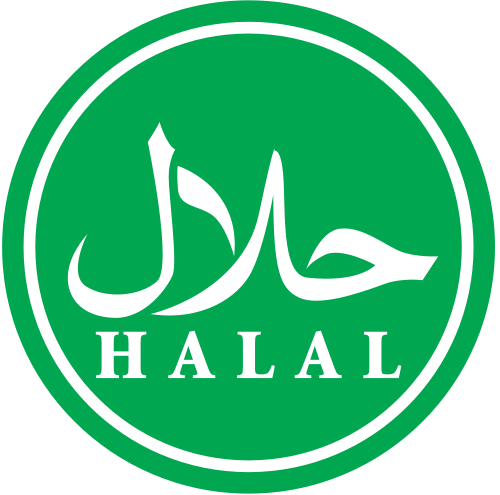
Halal Certified
There are many halal certification logos. Each one comes from an official authority. Look for a logo you know on the package.

Kosher Certification
Muslims can usually eat kosher food, which follows Jewish dietary law. Alcohol and other forbidden ingredients are still not allowed.
NEAR
CAMPUS
U-DISTRICT
DOWNTOWN
Goodies Mediterranean Market
A North Seattle favorite with halal meat, Turkish and Mediterranean food, and fresh pita bread.
Byblos Market
A Mediterranean shop known for olives, cheese, halal deli food and imported pantry items.
Taftan Bazaar & Halal Meat
A Middle Eastern shop with fresh halal meat, spices and everyday cooking basics.
Koza Turkish & Mediterranean
A Turkish deli and food shop with imported cheese, olives, spices, and Turkish coffee and tea.
DK Market
A very large international shop with North African, Middle Eastern and other world products.
International grocery stores help you find food from home, from spices and snacks to the exact brands you grew up with. Instead of buying a similar product at a normal supermarket, you can buy the real one.
Small international markets often sell ingredients that big chains do not have, at prices that fit a student budget. Staff can show you the halal options and explain products you do not know. Many shops also sell fresh bread, spices in large bags, and brands imported from your home region.
How They're Different
They focus on one region's food, so the shelves are full of familiar brands.
Staff usually speak the language and know the products well.
Halal meat and certified products are easier to find and check in person.
Spices, rice and vegetables are often cheaper than in the big chains.
Costco Membership Required
A warehouse store for members only. You pay a yearly fee, and products are sold in large sizes at lower prices. costco.com →

Safeway Walk In Anytime
A normal grocery store chain with no membership. Good for everyday shopping when you just walk in. safeway.com →

Fred Meyer All-In-One Store
A large store that sells food, clothes, home products and more. You find it all over Washington State. fredmeyer.com →
You do not always need a special shop. The big supermarket chains also sell halal products. You only need to know how to find them on the shelf.
The Meat Counter
Staff there can tell you which products are halal-certified and which are not.
The Frozen & Packaged Aisles
Certification marks are usually printed on the front or next to the ingredients list.
Always Check The Label
Not everything on the shelf is halal. These are normal supermarkets, not halal-only shops.
Look for a halal certification sticker or label printed on the package.
Halal items sit next to all the other products, so read the label instead of trusting the aisle.
Ask the staff at the meat counter when you are not sure. They hear this question often.
Always Ask Staff
Ask about halal meat directly. Do not guess from the menu.
Check Recent Reviews
Google reviews often mention changes to halal certification.
Save Your Favorites
Build your own list as you go, and share it with other students. You can always ask questions at the International Education office.
 S
SEat Well,
Feel At Home
New campus, new city, new kitchen. Try a new place, ask questions, and slowly build your own list of favorites.